
Redefining Target’s Look and Feel to Strengthen Customer Value and Drive Discovery
A brand-led transformation focused on aligning Target’s visual identity and customer touchpoints with its core value proposition. This enhanced brand consistency, deepened customer trust, and improved product discovery across channels.
CLIENT
Target Australia
MY ROLE
Leading Digital Designer
TOOLS
Figma, Hybris, Teams, Slack
DURATION
3 months

BACKGROUND
Differentiating two brands under one company
Kmart and Target operate as one company under two distinct brands. While Kmart is positioned around “Low Prices for Life,” Target sought to differentiate itself with a more elevated, quality-focused offering. This strategic shift led to the development of a new Customer Value Proposition (CVP) for Target, centred on delivering higher perceived value through quality, style, and experience.
As part of this transformation, Target underwent a rebrand to strengthen its visual identity and better reflect its repositioning. The refreshed look and feel was timed to launch alongside the Autumn Winter campaign, reinforcing the brand’s elevated direction. A key focus of this initiative was improving customer discovery through the introduction of tailored shopping experiences, including the creation of new pillar pages for major categories to guide and inspire users throughout their journey.
The success of the CVP launch was driven by strong cross-functional collaboration between senior stakeholders across trade, marketing, SEO, and creative teams. The project was presented at the monthly All-Hands meeting and received full endorsement from the CEO and executive leadership.

THE CHALLENGE: PRE-CVP
A fragmented and transactional experience
Before the CVP rollout, Target’s digital experience lacked differentiation and depth. Users primarily navigated through a standard site menu that led directly to generic product landing pages. These pages displayed an overwhelming number of products with minimal curation, little brand storytelling, and no guided discovery path. The experience was highly transactional, offering few moments of inspiration, and failing to reflect Target’s evolving brand values. Visually, the site also lacked cohesion and consistency across categories, making the brand feel diluted.
THE SOLUTION
A curated, brand-led shopping journey
To bring Target’s new Customer Value Proposition (CVP) to life, the business engaged branding agency Ogilvy to develop refreshed brand guidelines that reflected the shift toward quality, confidence, and a more elevated customer experience. These guidelines introduced new typography, visual systems, tone, and layout rules that served as the foundation for Target’s design and marketing teams as they translated the brand into a cohesive digital experience.
A major enhancement was the rollout of pillar pages across key product categories. These editorial-style landing pages replaced the previous customer shopping journey that led to less curated product landing pages, with content that highlighted trends, seasonal promotions, and content that inspired the customer. This would enable customers to browse with purpose and engage with the brand in a more meaningful way.
To support this shift, a suite of new UI components were designed and developed, including:
-
Promotional banners with bold, clean, and simplified copy
-
Multi-column content banners for feature areas
-
Spotlight component to showcase latest trends and product callouts
-
Category touch-points that link to curated and full product ranges
-
'Must-have Items' Product carousel for tailored recommendations
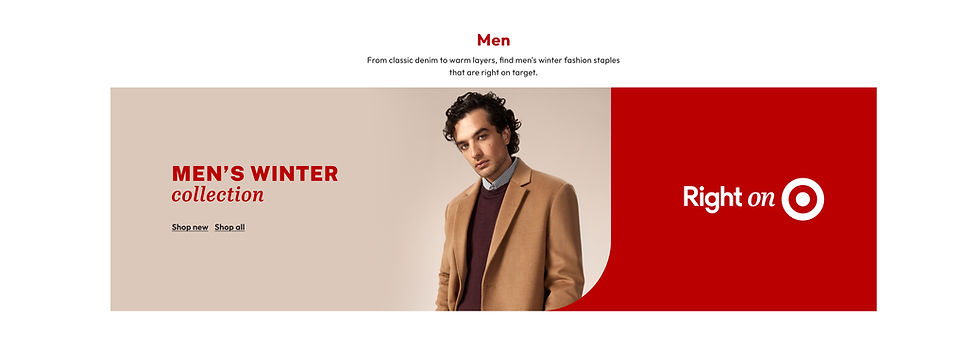
SEO-optimised heading sits atop the pillar page, paired with a refreshed hero banner that features the iconic Target curve and newly introduced brand fonts, creating a bold and cohesive first impression.

Category pill buttons and ‘We think you’ll love’ spotlight components highlight key product details including price, style, and quality; to support discovery and reinforce Target’s value proposition.

Category tiles highlight new arrivals and trending products, followed by a bold red promotional banner showcasing easy-to-read offers.

“Must-have items” product carousel delivers tailored recommendations based on user interest, followed by SEO-optimised content to support visibility and relevance for the category page.
BRANDING
Evolving branding to create a new look and feel
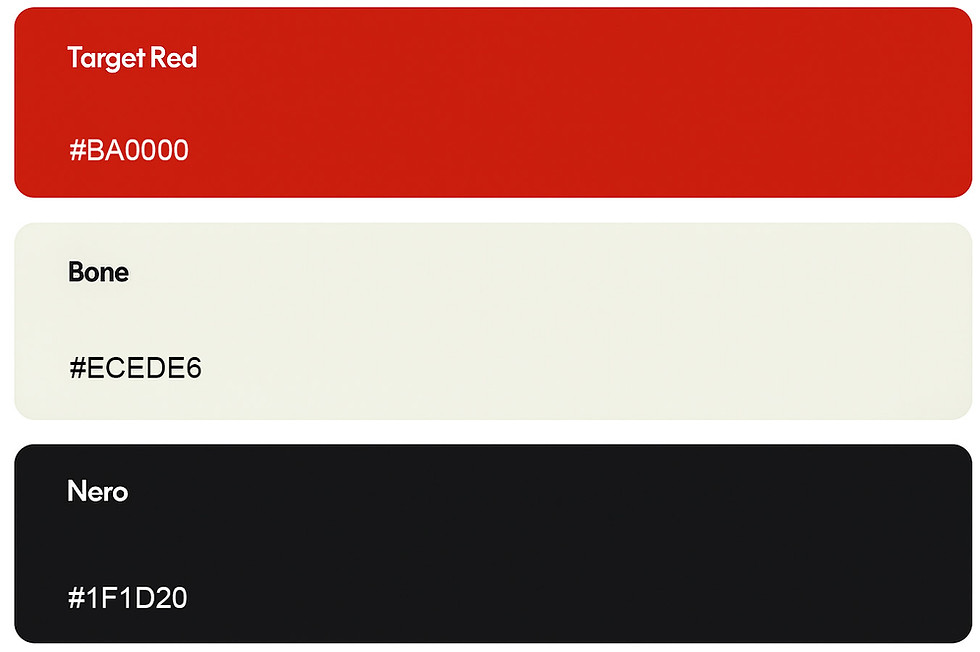
To support Target’s repositioning, a refined visual identity was rolled out across web and app platforms. This included updated font styles to signal quality and modernity, consistent use of brand colours and spacing, and layout choices that subtly reflected the elevated tone of the new CVP.
The updated typography system featured "Outfit" as the primary brand font, with "Public Sans" and "Abril Titling" used in campaigns to create a confident yet approachable tone. Key design elements such as increased use of "Target Red", structured grid systems, and consistent application of the "Target Curve" worked together to deliver a polished and unified user experience.
These branding changes aim to ensure alignment between digital, campaign, and in-store touch-points, reinforcing Target’s elevated positioning and its promise of “Quality Made to Matter.”

IMPACT AND OUTCOMES
Successful launch of CVP
The first month since the CVP launch demonstrated improved engagement across newly launched homepage and pillar pages. Internally, the transformation was seen as a milestone in Target’s brand journey, receiving positive feedback from stakeholders and creative teams. The cohesive look and curated shopping paths have not only supported seasonal campaigns but also laid a scalable foundation for future content and brand-led initiatives.
Performance Highlights for first month of launch:
-
Website sessions: ↑ 8.6% (8.64M total)
-
Revenue: ↑ 14.1% ($15.07M)
-
Conversion rate: ↑ 0.5% (2.21%)
-
Homepage landing sessions: ↑ 13.4% (1.81M)
-
Homepage revenue: ↑ 25.2% ($5.42M)
-
Homepage CVR: ↑ 5.5% (3.62%)
These results point to strong customer engagement and validation of the new landing experience and value proposition.
LEARNINGS AND REFLECTIONS
The success of Target's CVP launch highlighted the power of cross-functional collaboration.
By aligning design, marketing, trade, and SEO teams, we were able to share input, solve challenges collectively, and deliver a seamless experience.
A key takeaway was learning how to balance business goals with customer experience and knowing when to push-back on certain requests to ensure promotional content remained elevated and on-brand.
Looking ahead, the team will continue to refine the pillar page model based on performance data, consider integrating AI-driven recommendations, and continue to evolve the digital shopping experience to meet customer expectations and seasonal priorities.